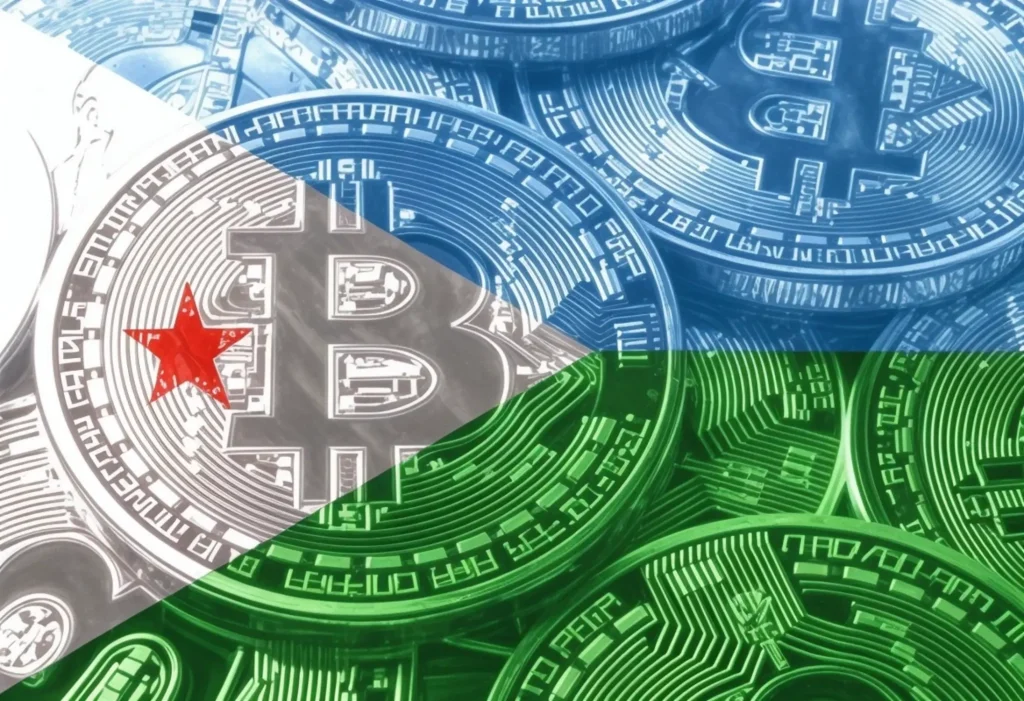
Iran’s crypto economy, valued at $7.8 billion, signifies a pivotal shift in how countries navigate sanctions and engage in international trade. Understanding this movement is critical now, as it reshapes economic landscapes and political dynamics worldwide.
Significance of Iran’s Crypto Economy in Today’s World
Iran’s innovative approach to its crypto economy is not just a local phenomenon; it reverberates through global economic relations. By utilizing cryptocurrencies, Iran is effectively creating a parallel financial system that circumvents traditional economic sanctions. This has implications for countries similarly restricted by global powers. As the influence of cryptocurrencies like Bitcoin grows, nations under sanctions may find ways to maintain trade and boost their economies, indicating a broader shift in financial autonomy.
The rise of Iran’s crypto landscape aligns with global trends toward digital currency adoption. Countries facing sanctions have much to learn from Iran’s experiences, particularly as they relate to the incorporation of stablecoins and Bitcoin mining into their economic strategies. These developments signify a tangible resistance to financial pressure and foster resilience among affected states.
Current Trends in Iran’s Crypto Economy
Recent developments in Iran’s crypto economy highlight an increasingly sophisticated landscape. The country has witnessed a surge in Bitcoin mining operations, capitalizing on its abundant energy resources. Estimates suggest that Iran accounted for nearly 5% of the global Bitcoin mining power in 2025. This surge reflects a concerted effort to leverage crypto for economic resilience amid crippling sanctions, as noted in various reports.
Additionally, the popularity of stablecoins has risen significantly. These digital currencies are pegged to traditional currencies, offering a more stable alternative for transactions in volatile economic environments. Iran’s Islamic Revolutionary Guard Corps (IRGC) has also played a pivotal role by influencing crypto policies and practices, marking the military’s interest in financial sectors.
Iran’s Use of Cryptocurrency in Global Trade
Iran has strategically leveraged cryptocurrency to bypass traditional banking systems. This capability allows the nation to engage in international trade, thus mitigating the effects of sanctions. With the rise of digital currencies, Iran can conduct transactions outside the traditional financial infrastructure dominated by the US dollar, thus facilitating trade with countries that share similar economic hurdles.
The benefits of this crypto platform extend to ordinary Iranians, offering them a financial lifeline amid economic instability. By using cryptocurrencies, citizens can circumvent local inflation and retain value, which is crucial given the tumultuous economic climate fueled by sanctions.
Risks Associated with Iran’s Crypto Transition
Despite the promising prospects, Iran’s transition towards a crypto economy is fraught with risks. One significant threat is to its crypto mining infrastructure, which could be endangered by military strikes or cyber-attacks. The IRGC’s involvement in the crypto ecosystem also raises red flags, creating potential for disruption in case of political instability or conflict. As highlighted in recent discussions, such instability could severely affect the global crypto ecosystem, leading to uncertainty for investors and users alike.
Economic Sanctions and their Influence on Iran’s Crypto Practices
Economic sanctions compel Iran to innovate within its crypto economy. As traditional financial channels remain blocked, the country is adopting creative solutions to pursue financial autonomy. Efforts to maintain independence through the use of stablecoins present a unique challenge against the backdrop of restrictive measures. The sustained drive to adapt and thrive demonstrates that sanctions may politically hinder nations but can simultaneously spur innovation.
Future Outlook for Iran’s Crypto Economy
Looking ahead, Iran’s crypto economy is poised for further evolution. As the global landscape continues to shift, we may anticipate enhanced partnerships between sanctioned nations seeking alternatives to traditional finance. Emerging technologies, such as blockchain innovations, could greatly influence this transformation, further altering how countries engage in international trade and finance.
Through these developments, Iran not only showcases its resilience but also sets a blueprint for other nations facing similar challenges. The implications of Iran’s shifting crypto economy may ultimately redefine global economic relations in unforeseen ways, setting the stage for a new era in international trade.




More Stories
The Hidden Truth About Iran’s Billion-Dollar Crypto Economy
The Hidden Truth About Cryptocurrency’s Role in Combating Financial Scams in Russia
How Japanese Investors Are Using Yen Stablecoins to Revolutionize Finance