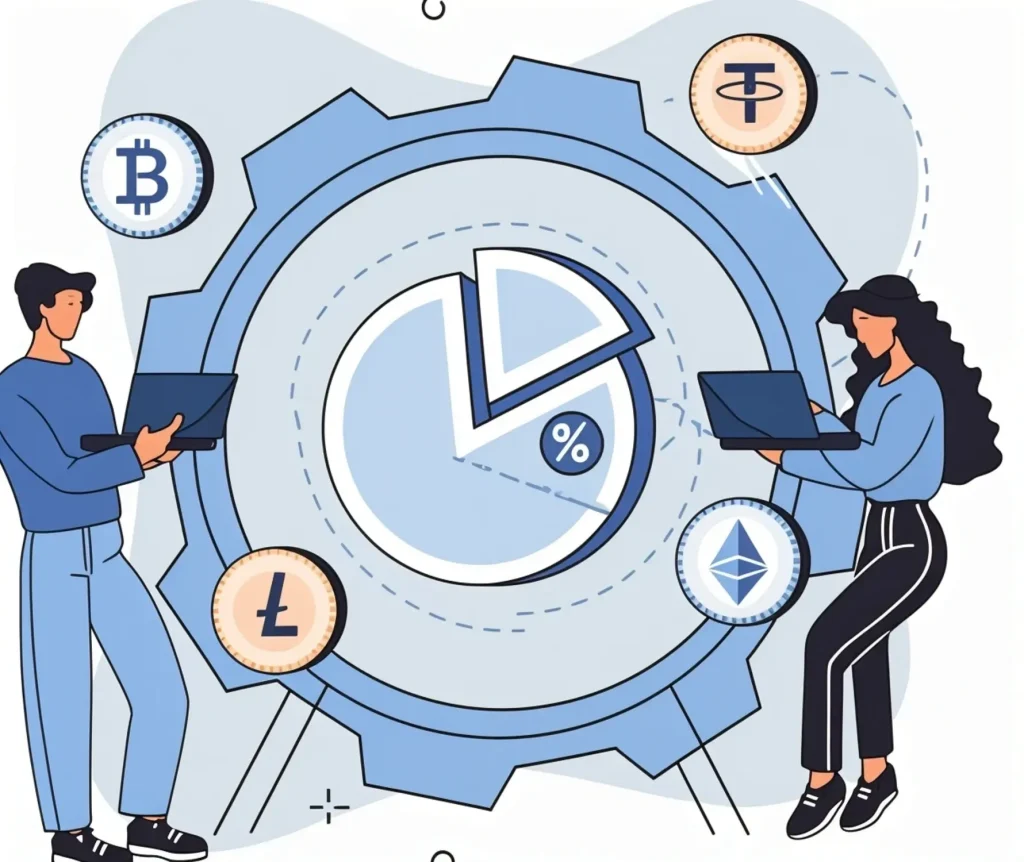
The dynamics of economic stagflation are affecting us all, especially in light of rising inflation and stagnating growth. As inflation outpaces wages and economic growth stalls, understanding the implications is crucial for making informed decisions. Crypto adoption could hold valuable solutions in these turbulent times.
Analyzing Economic Stagflation’s Impact on Living Standards
Economic stagflation represents a unique challenge, combining stagnant economic growth with rising inflation. This scenario has dire consequences for everyday living standards. In essence, stagnating wages amid increasing costs of living erode purchasing power. According to recent reports, as inflation rates climb, consumer spending tends to decrease because individuals have less disposable income available.
This phenomenon disproportionately affects various socio-economic groups. For instance, lower-income families often spend a larger percentage of their income on essentials like food and housing. As prices rise, these households feel the financial strain more acutely, potentially leading to increased poverty rates and social unrest. The combination of high inflation and stagnant wages is pushing many Americans into a precarious financial situation, forcing them to re-evaluate their spending and saving habits.
The Role of Crypto Adoption in Today’s Economy
In today’s economy, cryptocurrencies have emerged as an alternative investment during periods of economic uncertainty. With traditional markets facing volatility due to economic stagflation, individuals and businesses are exploring crypto adoption as a means of safeguarding assets. Digital currencies provide an opportunity for diversification while potentially offering higher returns, although risks remain.
The recent rise in crypto adoption across the U.S. indicates a growing interest in alternative assets during these challenging times. Challenges persist, including regulatory uncertainties and market volatility, which can deter potential investors. Yet, the potential benefits of adopting crypto for stability and investment purposes cannot be ignored. As such, individuals seeking to preserve their financial health might consider crypto as a viable option for hedging against economic decline.
War and Its Influence on the US Economy
Geopolitical conflicts, such as military engagements in the Middle East, significantly influence economic policies. The Iran war, for example, exacerbates existing tensions in the U.S. economy, leading to shifts in public sentiment regarding military spending and foreign investments. As noted in industry analyses, these conflicts can disrupt global markets and create ripple effects that exacerbate economic stagnation.
Economic forecasts often reflect these realities, suggesting that military engagements can result in increased inflation and altered supply chains. For instance, the costs associated with sustaining military operations typically lead to budgetary pressures that affect domestic economic policies. Understanding the connection between geopolitical conflicts and economic performance is crucial for both policymakers and citizens, especially in light of the rising costs of military interventions.
Current Trends in Inflation and Stagnation
Examining current trends reveals significant insights into inflation and stagnation across various sectors. Healthcare and energy prices, in particular, have surged recently, significantly affecting consumer behavior. Historical precedents show that these spikes can lead to longer-term economic adjustments within industries such as tech and manufacturing. Over the past year, inflation rates have surged, further complicating the economic picture.
Moreover, different industries react uniquely to these pressures. While tech companies may adapt more swiftly due to innovation, traditional manufacturing sectors often struggle more due to supply chain disruptions. By analyzing these dynamics, we can better understand the economic landscape and make more informed predictions regarding future performances in these sectors.
Understanding the Crypto Market Amid Economic Challenges
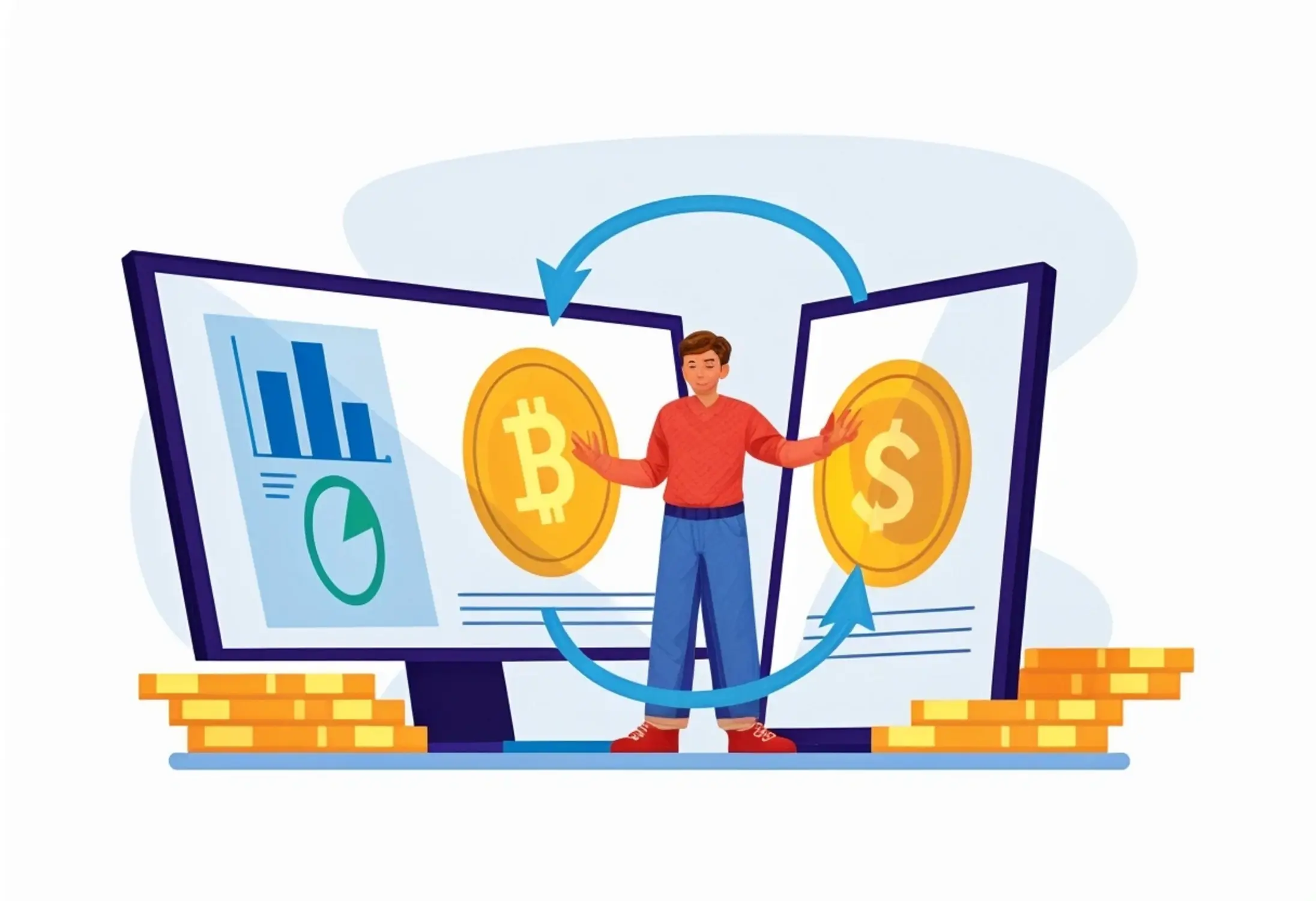
The volatility in the crypto market often mirrors the uncertainty present in traditional markets. During periods of economic turmoil, public sentiment towards digital currencies can fluctuate dramatically. According to various analyses, when inflation rises, so does interest in cryptocurrencies as alternative stores of value. Many investors view Bitcoin and other digital currencies as safe havens, despite inherent risks associated with their fluctuating values.
Interestingly, some crypto projects have emerged as solutions to inflation-related issues. For example, decentralized finance (DeFi) platforms offer alternatives for earning yields that can potentially outpace inflation. These advancements reflect a growing recognition of cryptocurrency’s role in mitigating traditional economic challenges, as users seek new avenues for financial stability.
Taking Action Against Economic Stagnation
In response to the challenges of economic stagflation, individuals can take several actionable steps to safeguard their financial health. Investment strategies that include cryptocurrencies as a hedge against economic decline may be prudent. Diversification across asset classes is key. This can help mitigate risks associated with any single economic event.
Moreover, exploring ways to diversify income sources can be beneficial during uncertain times. This might include taking on freelance work or investing in skills that increase employability. By focusing on adaptability and informed decision-making, individuals can navigate the complexities of the current economic climate more effectively.
Final Thoughts on Economic Stagflation and Solutions
The long-term implications of economic stagflation are profound for both the U.S. and global economies. As inflation persists and growth remains stagnant, it is critical for individuals to stay informed about evolving economic conditions. Adopting digital assets may offer a pathway to resilience in the face of these challenges.
By embracing innovative solutions and maintaining adaptability, individuals can help mitigate the impacts of economic stagflation. The lessons learned during these turbulent times can empower people to navigate future economic landscapes more adeptly.



More Stories
The Hidden Truth About Crypto Exchange Security Risks
Why PayPal’s PYUSD Will Revolutionize Global Stablecoin Markets
Why AI Agents Are About to Change Everything in Crypto Payments